Apartment hunting remained competitive across the U.S. this year, with Miami, Chicago and Manhattan leading the way for hottest rental markets. Manhattan entered the top five most difficult rental markets in the U.S. for the first time, as newcomers and returning office workers compete for limited apartments. Miami solidified its spot as the nation’s most competitive market, with Chicagoland very close behind. Minnesota’s Twin Cities suburbs and San Francisco experienced the largest jumps in competitiveness.
Among smaller metros, Fayetteville, Arkansas, is the toughest place to rent, and Port St. Lucie, Florida, is the fastest-rising market for those looking for rental apartments.
New supply hasn’t eased competition
Despite a slight increase in new housing supply (2.83% growth), the U.S. rental market doesn’t show any signs of softening. This is largely due to high home prices and living costs causing more renters to stay put, driving lease renewals to 63% and maintaining a high national occupancy rate at 93.3%.
Demand remains strong, with nine interested renters for every unit, which fills in an average of 41 days.
Regionally, the Northeast is the hottest rental market. Here, renters stay the longest, for an average of 37 months (peaking at 52 months in Brooklyn, New York), and sign the longest leases (13 months, on average).
Miami ranks again as the hottest rental market
Miami once again ranks as the most competitive U.S. rental market. Even with a 4.22% increase in new supply, options remain limited – especially as 73% of renters renewed their leases, keeping vacancy under 4%. As a result, each available unit attracts about 19 renters and typically leases within 33 days.
Chicago takes the second spot, driven by a steep decline in new construction, which fell to 0.75% this year. This shortage pushed the lease renewal rate to 61.1% and occupancy to 95.1%. Competition is fierce, with Chicago rentals leasing faster than any major metro – usually within 32 days.
Suburban Chicago ranks third. Although new supply grew slightly, it wasn’t enough to meet demand, prompting more renters to stay put. The lease renewal rate rose to 70.3%, occupancy reached 95.5%, and units now draw 14 applicants and lease in about 36 days.
A Tough Rental Market in New York City
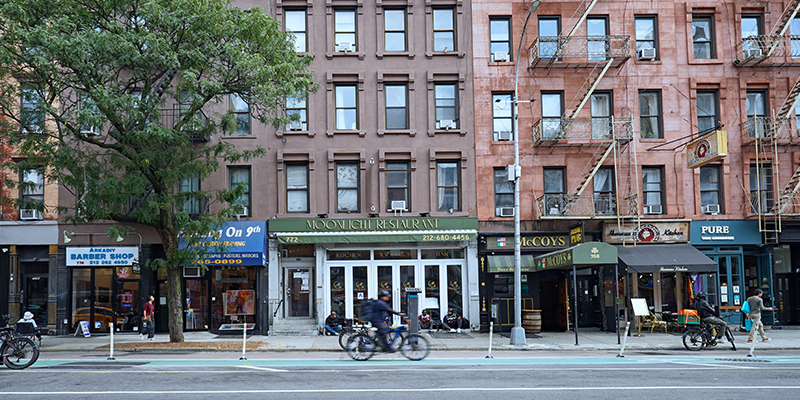
Manhattan is now the fourth-hottest rental market in the U.S., driven by finance, insurance and real estate activity returning to pre-pandemic levels and putting added pressure on the borough’s limited housing supply. Even with a modest 0.84% increase in new units, the lease renewal rate rose to 66.3%, pushing occupancy to 95.9%. Competition intensified as the number of applicants per vacant unit jumped from eight to 11, and average time on the market dropped from 40 to 36 days.
Meanwhile, Brooklyn shows a different but still competitive picture, ranking 21st nationally. Its housing supply grew more noticeably, with new apartments accounting for 5.09% of inventory, yet demand stayed strong as the applicants per unit increased from 10 to 11.
Queens, ranked 54th, is also seeing mounting pressure. The number of applicants per unit nearly doubled from six to 10, and even with 3.14% new supply and fewer renters renewing (62.6%), units are leasing faster, now averaging 47 days on the market.
The fastest-rising rental markets
The suburban Twin Cities saw the nation’s largest jump in rental competitiveness, with its Rental Competitiveness Index (RCI) rising 9.2 points year over year to 82.1. This increase reflects strong desirability – including affordability and good schools – alongside a sharp drop in construction, with supply growth falling from 5.18% to 2.45%.
As a result, 67.8% of renters renewed their leases, pushing occupancy to 94.7%. Competition also intensified: applicants per unit rose from nine to 11, and units now lease in 38 days, two days faster than last year.
San Francisco ranked as the second fastest-rising market, with its RCI climbing 7.4 points from 65.4 to 72.8. Growing demand from high-paying tech jobs in AI and increased in-office work is tightening conditions.
New supply has fallen sharply, with the share of new apartments dropping from 3.11% to 1.43%. This scarcity pushed lease renewals to nearly 50%, raised occupancy to 94.6%, and sent applicants per unit surging from seven to 11 in just one year.
The nation’s hottest small metro for renters
The small metro market competition is led by Fayetteville, Arkansas, which is the hottest spot for apartment hunters due to rapid population growth outpacing supply. Despite a 3.03% increase in new apartments, demand remains sky-high. Fayetteville apartments lease in just 22 days (the fastest in the country). Fueled by limited options, 73% of renters renewed their leases this year, driving the overall vacancy rate below 4% and keeping competition fierce. Each vacant unit attracts 12 applicants, up from 11 a year ago.
Lehigh Valley, Pennsylvania, ranks as the second-most competitive small metro. Securing an apartment here is no easy feat, even with a modest 2.58% supply bump, as demand continues to surge. This market draws many commuters, remote workers and newcomers from higher-cost areas like New Jersey and New York seeking more affordable options.
The top-trending small rental market
Among Sunbelt locations, several markets are experiencing increased competitiveness due to fewer new apartments and higher lease renewals.
Port St. Lucie, Florida, is the nation’s top-trending spot for apartment hunters, ranking sixth overall. It recorded the largest RCI jump – 12.5 points (74.4 to 86.9) – mainly due to a sharp drop in new construction, which fell from 12.86% in 2024 to just 2.63% this year.
Lubbock, Texas, is the second fastest-rising small metro, with its RCI climbing 8.2 points to 82.4. A growing economy and record enrollment at Texas Tech University pushed more students into the market, driving competition sharply higher. As a result, 11 renters now compete for each available unit (up from five last year), and apartments lease in just 34 days on average.
What can renters expect in 2026?
The apartment market is expected to stay competitive in 2026, especially during the summer peak. Although the year may start calmer, demand will rise quickly, making available units harder to find by spring. By early summer, the number of renters per available unit could reach 11 – the highest level in recent years.
A surge of new apartments will briefly boost supply by 1.29%, but construction is projected to slow to just 0.47% by year’s end. Even with this short-term bump, renters must act fast. Early in the year, units may sit vacant for about 51 days, offering a small window for deals. By late 2026, that could shrink to 30 days as demand stays strong.
Occupancy will remain high at 93.5% to 93.8%, and lease renewals near 62%, meaning most renters will likely stay put to avoid the rising costs of moving.
Read the full report and analysis on RentCafe.com.