Hottest Rental Markets in the U.S. in 2025
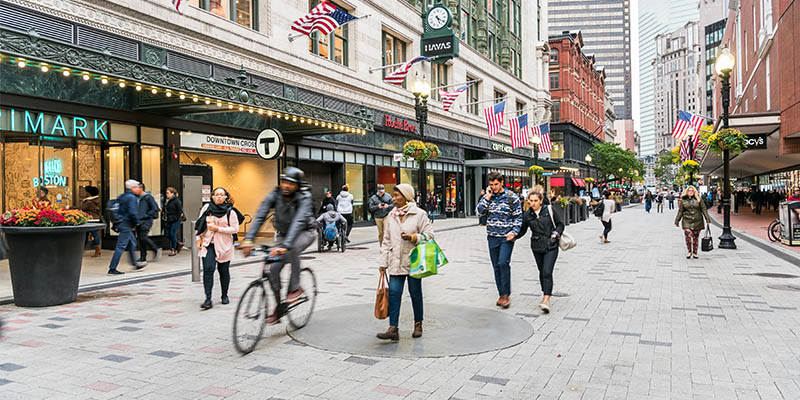
Apartment hunting remained competitive across the U.S. this year, with Miami, Chicago and Manhattan leading the way for hottest rental markets.

Apartment hunting remained competitive across the U.S. this year, with Miami, Chicago and Manhattan leading the way for hottest rental markets.

Adaptive reuse projects surged to historic levels in 2024. Nearly 25,000 apartments were completed from converted structures across the U.S., a 50% jump over 2023 and double the total in 2022, a RentCafe.com report shows.

Corporate occupiers are increasingly seeking environments that employees choose for their experience and connectivity, elevating office space from what was viewed as a cost center to more of a strategic asset. Owners who can deliver these high-performing, highly desired spaces are well positioned to capture premium rents and foster long-term loyalty.

As renewable energy assets become more prevalent in commercial real estate portfolios – especially among industrial and data center users – property owners face a critical challenge: ensuring that intangible assets are not mistakenly included in the taxable value of real and personal property.

Recent guidance from the Department of the Treasury, coupled with the One Big Beautiful Bill Act, has shortened the window to claim federal incentives on rooftop solar. Commercial Real Estate owners must now move quickly to capture the full 30% Investment Tax Credit and secure financial benefits, while delays could mean lower lease rates and diminished returns.

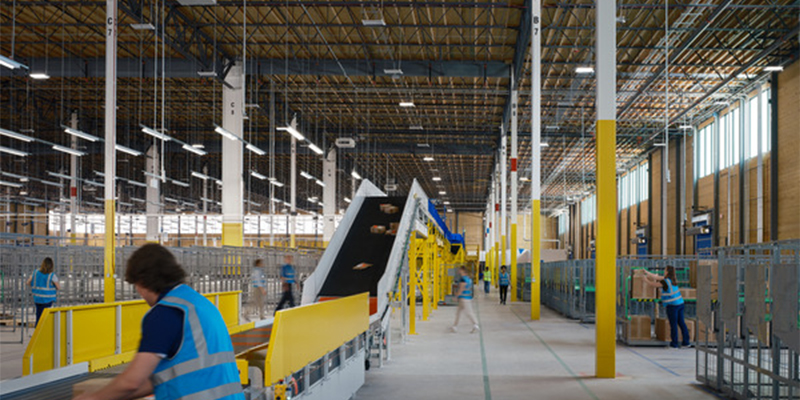
The storage industry has expanded by a remarkable 547 million square feet since 2015, bringing the national total to more than 2 billion square feet. StorageCafe’s analysis of 130 of the nation’s largest cities shows a tight correlation between apartment and self-storage construction.

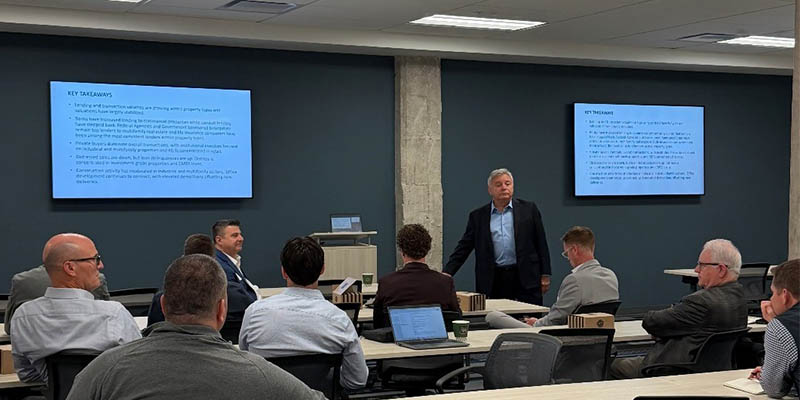
At this year’s NAIOP CRE.Converge conference, Peter Norman, Altus Group vice president and economic strategist, had the opportunity to share new insights on the economic impact of Canada’s commercial real estate sector. The presentation drew on fresh research prepared with the NAIOP Research Foundation and comes at a critical moment: when macroeconomic uncertainty, demographic shifts and policy decisions are reshaping the environment in which CRE operates.

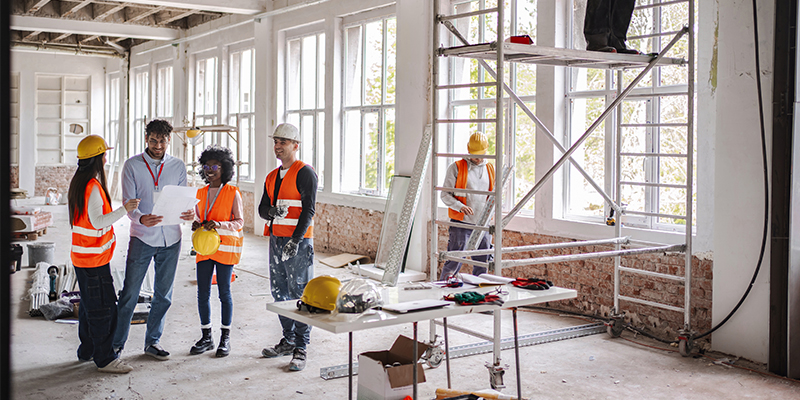
In today’s competitive manufacturing landscape, speed, efficiency and sustainability are driving major shifts in how facilities are designed and built. From off-site prefabrication to digital integration and artificial intelligence-driven decision-making, advanced construction strategies are redefining project delivery. These innovations not only streamline timelines but also enhance quality, cost control and long-term operational performance.

Manufacturing facility construction is undergoing rapid evolution. As commercial real estate executives seek to align with manufacturers’ unique facility needs, understanding key construction trends and best practices is essential for project success. Predictability in cost, scope and schedule remains paramount for manufacturers, and achieving it requires a strategic approach built on early project definition, collaborative team integration and selecting the right project delivery method.

The U.S. apartment construction market continues its robust expansion in 2025, with over 500,000 new units expected to open nationwide by year’s end. While delivery volumes have cooled down slightly from 2024’s record pace, construction activity remains significantly above historical averages, reflecting sustained rental demand and favorable development conditions across key markets.