At I.CON Central in Columbus, Ohio, a panel of experts broke down what’s driving industrial investment decisions, where capital is flowing, and how debt availability is shaping the landscape.
At I.CON Central this week in Columbus, Ohio, Global Client Strategist and Senior Economic Advisor for CBRE Spencer Levy framed his keynote with a theme few would expect in a discussion about commercial real estate: the Beatles. Levy opened by telling the audience that much like the iconic band, CRE thrives on emotional resonance, innovation and the ability to adapt to changing landscapes.
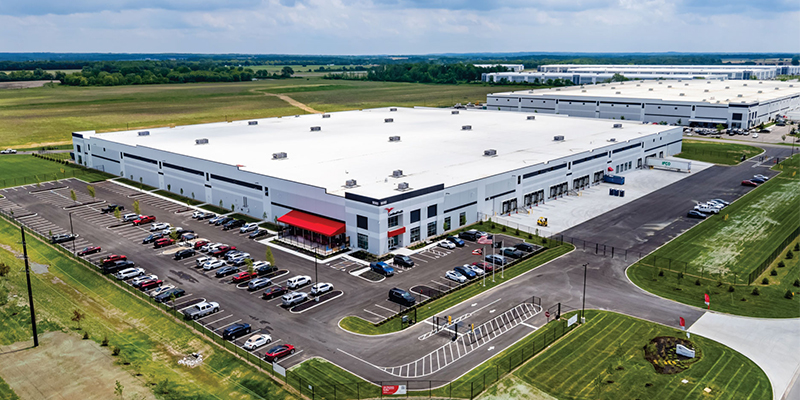
In the heart of Central Ohio, the Rickenbacker submarket has cemented the region as a top-tier destination for industrial investment, logistics innovation and global connectivity. At NAIOP’s I.CON Central conference this week in Columbus, Ohio, attendees explored major projects in the area, which is Ohio’s largest submarket and home to 25% of Columbus’ industrial stock.

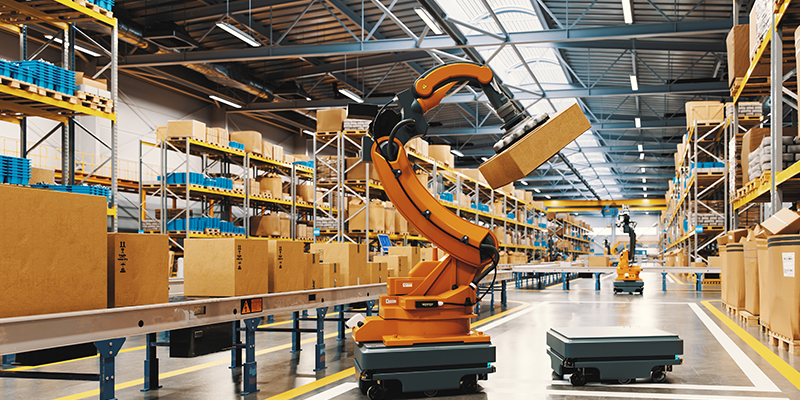
Artificial intelligence is transforming the industrial real estate landscape in profound and sometimes paradoxical ways. As AI technologies become more embedded in logistics, fulfillment and manufacturing, they influence both the demand for warehouse space and the nature of the workforce inside these facilities.
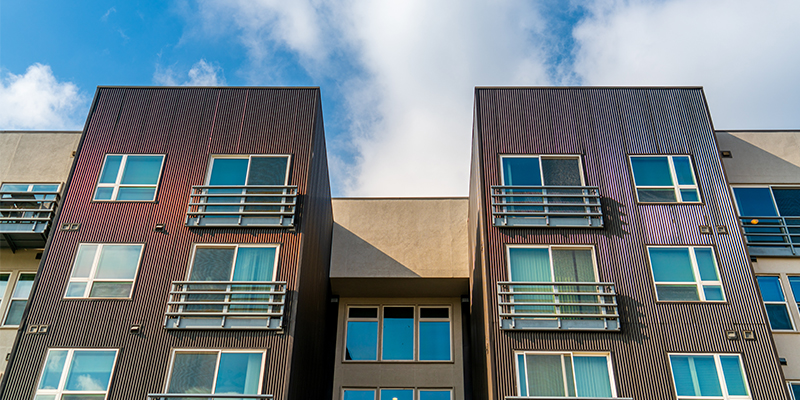
The storage industry has expanded by a remarkable 547 million square feet since 2015, bringing the national total to more than 2 billion square feet. StorageCafe’s analysis of 130 of the nation’s largest cities shows a tight correlation between apartment and self-storage construction.
David Greek and Matt Schlindwein, managing partners with Greek Real Estate Partners, joined NAIOP’s Inside CRE podcast recently to offer their takes on today’s investment climate, the headwinds shaping logistics real estate, how developers are adapting to higher costs and political pressures, and how their NAIOP involvement has shaped their careers.
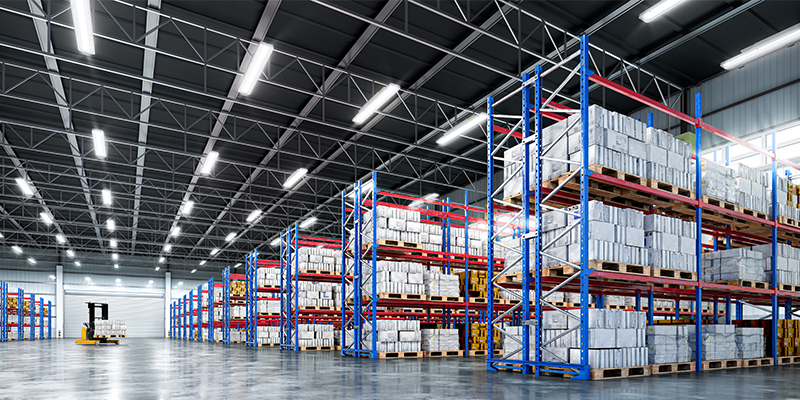
A panel of experts at I.CON Cold Storage discussed the economics and strategy behind building on spec, from how the model began to where it’s headed over the next few years. Four key themes that emerged from their discussion can help developers adapt to current market realities.
In today’s competitive manufacturing landscape, speed, efficiency and sustainability are driving major shifts in how facilities are designed and built. From off-site prefabrication to digital integration and artificial intelligence-driven decision-making, advanced construction strategies are redefining project delivery. These innovations not only streamline timelines but also enhance quality, cost control and long-term operational performance.