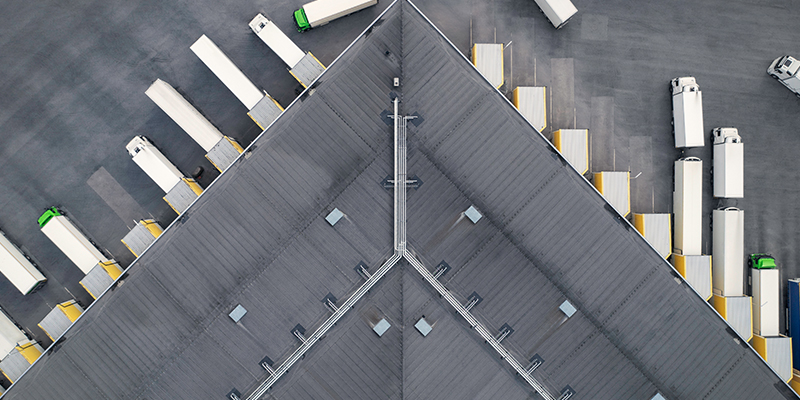
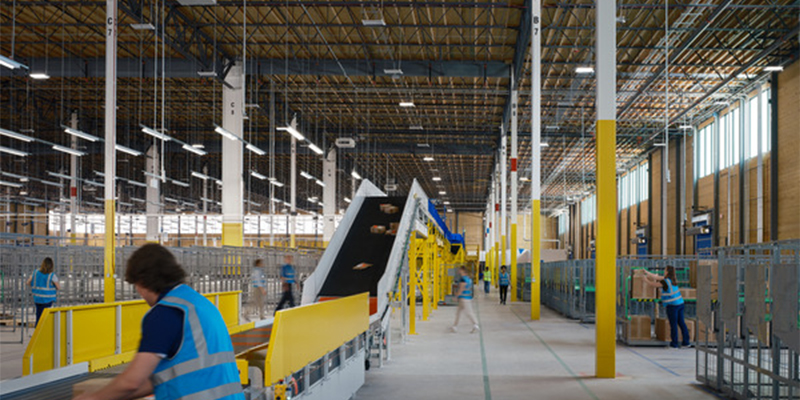
Graycor’s two-decade relationship with Amazon led to our construction firm taking on an unconventional and pioneering project – the company’s first net-zero-carbon delivery station, DII5 in Elkhart, Indiana. To achieve net-zero certification, the 39-acre site features mass timber construction as opposed to the traditional precast or tilt-up concrete and structural steel.
Concrete and steel have high amounts of embodied carbon, which increases the overall carbon footprint of a facility over its lifetime. However, they’re also known entities that make planning construction more predictable in cost, scheduling, staffing and longevity.
Since this was a test site for Amazon and a material not typically associated with warehouse construction, many variables had to be considered to ensure success. During an intensive 16-month preconstruction period, we were able to help the Amazon facilities team and other partners hone the design and source the materials.
Considerations for Mass Timber Construction
Mass timber construction consists of large, engineered wood panels such as cross-laminated timber (CLT). These panels have low carbon impact because they’re made of a natural and renewable resource and also support responsible forestry practices.
To meet the required standards for height and other clearances for an Amazon warehouse, we had to combine the CLT panels with steel. We conducted multiple iterations of cost analysis to find the right balance of materials from design feasibility, structural integrity and carbon accounting perspectives. We had to consider the constructability, size limitations and fabrication limitations on the timber, what the regionally sourced manufacturer could provide, and how it would be fastened.
Because the tolerances for the CLT were tighter than for concrete, we also had to elevate the standards for our subcontractors during the installation, starting with the plumb steel structure and perfectly flat foundation system.
A Focus on Data
To ensure the project met its emissions goals, we had to conduct a live, continuous audit of carbon impact. During construction, we tracked water and power usage, tracked the distance traveled for deliveries, managed an on-site waste separation program to identify recyclable materials and limit landfill waste, and utilized hybrid equipment to reduce fuel.
Amazon had requirements for how they needed the carbon data collected and shared. For example, we leveraged a new program called Q Flow, which allows us to scan delivery tickets with a phone or tablet and disseminate the data.
Layering on Sustainable Features
In addition to using CLT, the project team found ways to optimize the building for sustainability and climate resilience. These features include a high-performance envelope with low-carbon insulation and cladding, a rainwater collection system that is used for irrigation and toilets, high-efficiency HVAC and plumbing fixtures, energy-efficient lighting and systems controls, low-carbon concrete, and a biodiverse and drought-tolerant landscape. Because timber construction is more susceptible to the elements, we also implemented a sophisticated moisture mitigation plan used throughout construction to ensure wood products were protected from damage risks.
An Eye to the Future
For Amazon, the DII5 facility represents an exemplar of sustainable warehouse design that the company hopes to replicate in other locations. Amazon is currently seeking Zero Carbon Certification™ from the International Living Future Institute (ILFI), which is a third-party verified, industry-recognized standard verifying that the operational and embodied carbon emissions of a built project have been neutralized.
For Graycor, this project underscores our commitment to “building something more.” Our relationship with Amazon has included over 30 projects in 15 states totaling over 16.7 million square feet. Working on every facet of this facility from planning and sourcing to the finishing touches has created learnings around mass timber’s great potential, the importance of data tracking and the power of collaboration.
Featured image © Kendall McCaugherty.