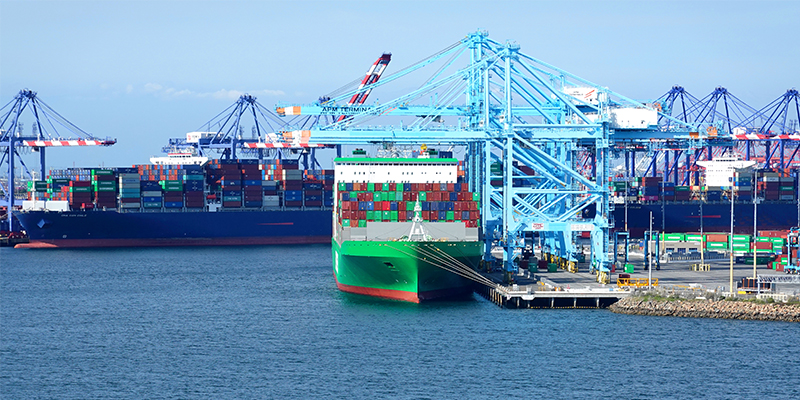
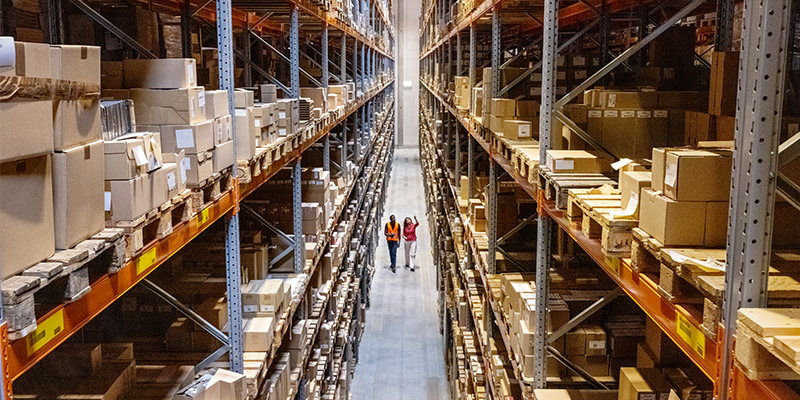
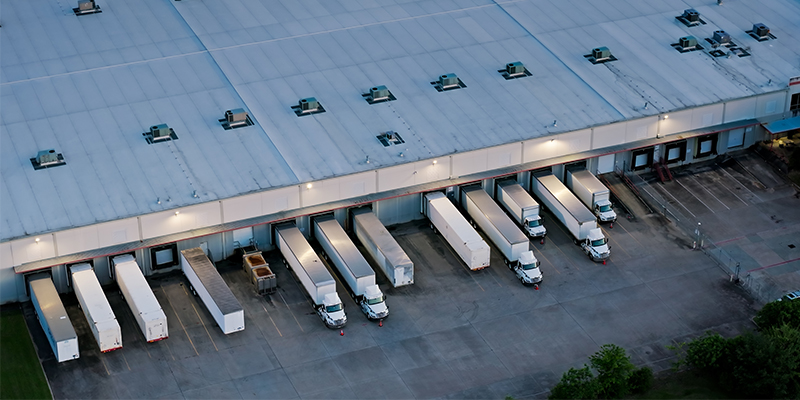
Attendees of NAIOP’s I.CON Cold Storage this week in Phoenix had the opportunity to tour a trio of commercial real estate properties showcasing the breadth of the industry.
Real-time data tracking is becoming foundational to logistics networks, but even so, many warehouse systems are lagging. It's not just advanced technology they’re missing out on, but the benefits that come with it. Key technologies are driving visibility and added value in warehouses and beyond.
The commercial real estate industry’s construction spending and ongoing operations in Toronto are a significant driver of the economy, generating $17.1 billion CAD in economic activity in 2024, according to a new report released by the NAIOP Research Foundation and authored by Altus Group. It’s no surprise, then, that city serves as the perfect host to commercial real estate leaders attending CRE.Converge next month for unparalleled networking and valuable industry insights.
Commercial real estate professionals – developers, investors, contractors, site selectors and service providers – are beginning to harness AI’s potential to enhance decision-making, improve project outcomes and mitigate risk. Those that strategically integrate AI into capital project planning and execution will gain a significant competitive advantage.
The Trump administration’s tariff policy has unfolded rapidly and continues to evolve. Although the highest tariff rates on most U.S. trading partners have been paused for 90 days to allow time for trade negotiations, a flat 10% tariff remains in effect on most goods, and additional tariffs are expected on electronics, semiconductors and pharmaceuticals. When combined with previously announced tariffs on steel and aluminum, and the 145% tariff on most goods from China, the average effective tariff rate is the highest in more than a century. The dollar has declined in response to the tariff announcements, further increasing the effective cost of imported goods.
If we were to rebuild our supply chain network, how would we rebuild it, knowing what we know now about returns? How would we rebuild a network if we could start over today knowing that backwards flows were going to be as important as forward flows? Chad Autry, Ph.D., Myers Professor of Supply Chain Management at the University of Tennessee at Knoxville, shared some key design principles for a reverse logistics network.
At I.CON West this week in Los Angeles, panelists discussed critical questions and the external forces that could shape the industrial capital markets in the next 12-24 months. Mike Kendall, vice chair, investment services, Colliers, moderated a panel that included Jeremy Giles, managing partner, Constellation Real Estate Partners; Darren Kenney, head of capital deployment, West region, Prologis; and Brent Steele, chief investment officer, Logistics Property Company.
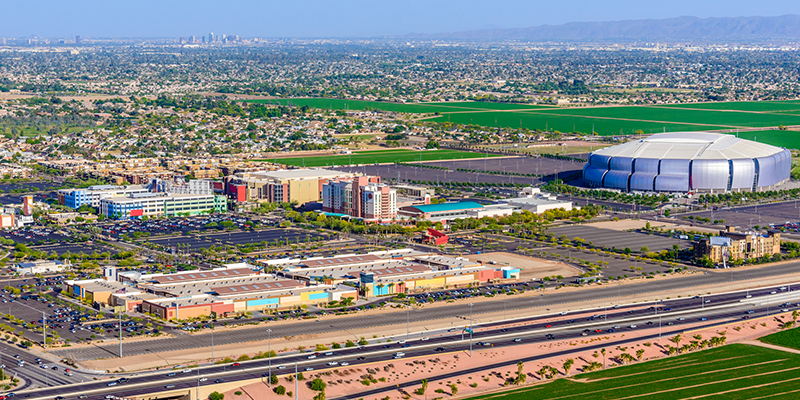
Logistics and warehouse facilities play a critical role in goods movement and the supply chain for meeting the needs of consumers, governments and businesses across North America. The essential role that these facilities play, as well as their economic contributions and job creation, must be taken into consideration in policy debates that could affect their viability.