Kathryn Atkins has owned her freelance business writing firm, Writing World, since 2004. She has a BS and MBA from Cal Berkeley and a certificate in technical writing from Cal State Dominguez Hills. She has published three books.
Global capital flows into U.S. industrial real estate are evolving, but one trend remains consistent: Asian investors continue to view the United States as one of the most attractive markets for long-term investment.
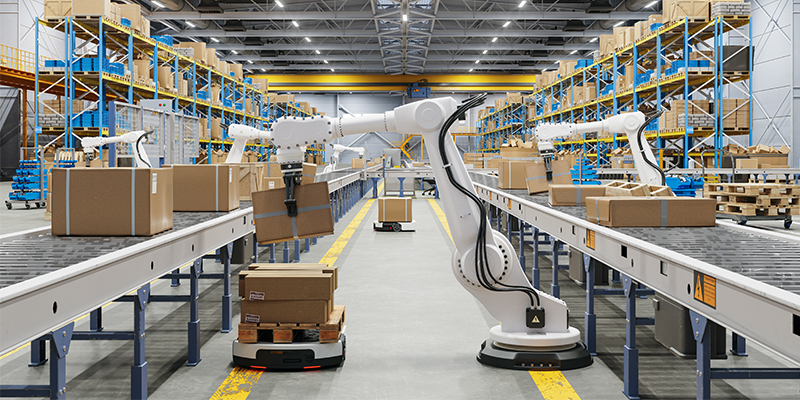
Automation has been quietly reshaping industrial buildings for years, but AI still feels like the new kid in the warehouse. The discussion brought together perspectives from development, automation design and portfolio operations.
Industrial real estate across the Western U.S. is entering a new phase shaped by technology, infrastructure constraints and evolving supply chain strategies. While the sector remains fundamentally strong, the drivers of demand – and the challenges of delivering new space – are shifting.
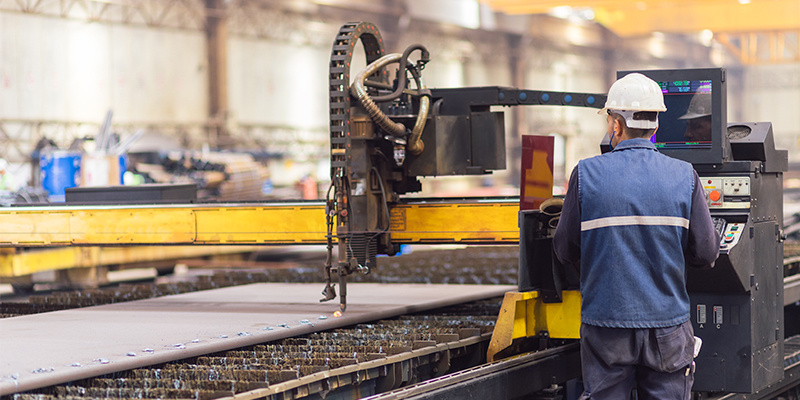
Roughly 10-12% of the U.S. GDP is tied directly to manufacturing. Moreover, by looking at the tracking of occupier statistics and leasing metrics from all the commercial real estate firms on a quarter-to-quarter average, between 10-15% of leasing activity in the market is tied directly to manufacturing. Bottom line: All industries must consider manufacturing as they explore new ways to diversify their supply chains throughout North America.
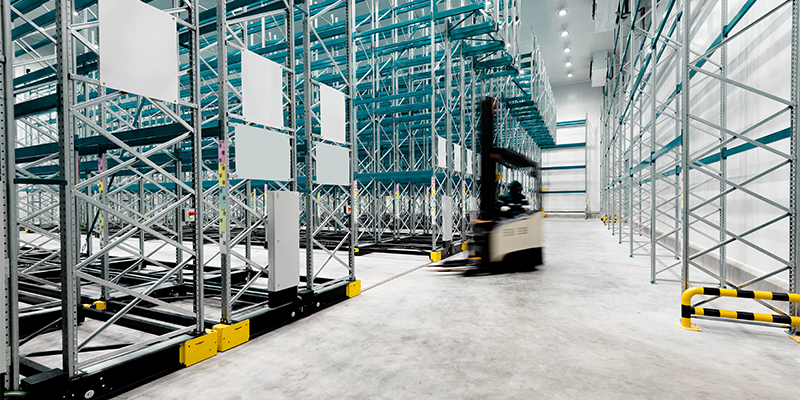
Cold storage could be a tempting hot spot for hungry CRE investors, agreed panelists at I.CON West this week in Los Angeles. When end-users need refrigerated or frozen space or are priced out of a new ground-up development, they often turn to leasing existing industrial buildings. However, existing industrial buildings come with their own challenges, not the least of which is being able to match the existing usage of the building to the specificity that an end user requires.
Population migration continues to benefit industrial markets in the Sunbelt and Mountain West. What does this portend for the Western U.S. industrial market in terms of capital flow? What macroeconomic factors could impact this sector, and what other challenges and opportunities are on the horizon? All good questions, but the bywords of the moment are “wait and see.”
Although this year’s I.CON West conference is taking place in California, much of the due diligence session applies to the rest of the country. In all aspects of due diligence, the goal is the same: How do we get the project for our investors through the approval cycle with the least risk, time and expense?
How do you know if you are optimizing the space in all your properties worldwide? How long would that take you to figure out with your current analytical tools? While everyone might think they know what AI is, a session at I.CON West this week in Long Beach, California, did the job of defining it.
When J.C. Renshaw, head of supply chain consulting North America for Savills, started his career 35 years ago, supply chains had not been invented. Okay, they were there, but it was when the COVID-19 pandemic hit that “supply chain” became a household phrase – especially for people who were late to their local retailer to purchase toilet tissue.